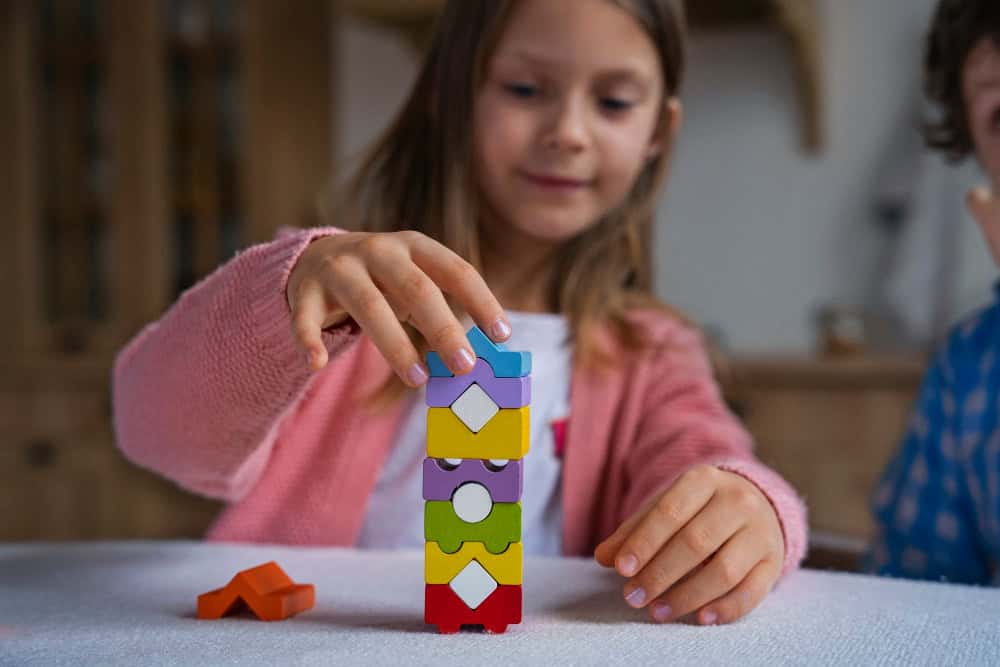
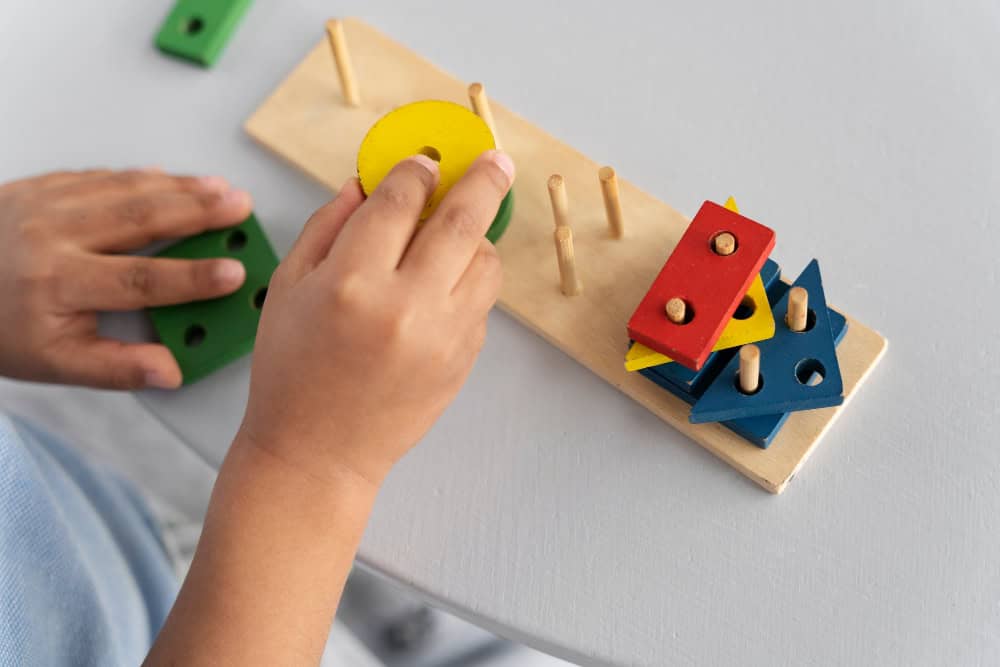
Fine motor skills use the small muscles of the hands and fingers. Gross motor skills use the large muscles for whole-body movement. Fine vs. gross motor skills differ in scale. A button takes a pinch. A sprint takes the whole body.
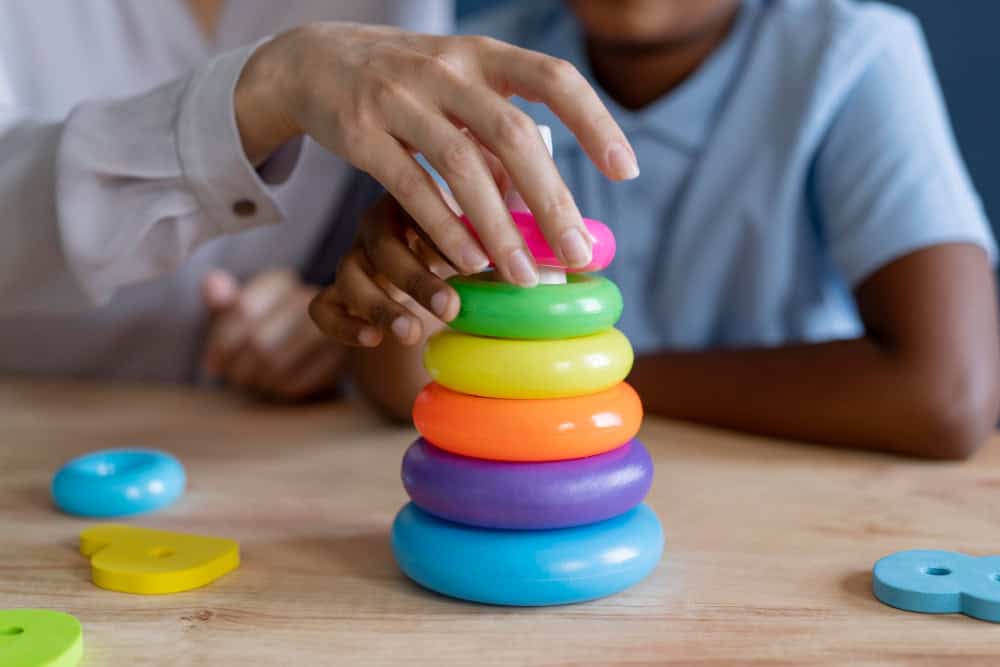
Fine Motor Skills Examples for Hands and Fingers
Take the zipper on a winter coat. Your child feeds the metal tooth into the slider while the other hand holds the bottom of the jacket still. Then comes the pull, and the bus is already at the corner. It’s fine motor work: small, precise movements of the fingers and wrists. A teen at a first job might tie an apron behind their back or slice onions for the dinner shift.
Hands stay busy during the school day. The most recent available study appeared in the American Journal of Occupational Therapy in 2020. It looked at classrooms from kindergarten through fourth grade. Students spent 37.1% to 60.2% of the school day on fine motor activities. Cutting along a line and copying notes from the board fill much of that time.
Lunch gets tricky fast. A milk carton takes two fingers to pry the spout open. The seal on a bag of pretzels slips out of damp hands. Kids invent their own fixes, like pinning the bag flat against the table. Any workaround that lets a child eat comfortably counts as a skill.
Examples of Gross Motor Skills for Whole-Body Movement
Gross motor skills are the big movements of the arms, legs, and trunk. Walking to class and climbing the playground ladder both count. So do kicking a soccer ball and swimming laps at the pool. Jumping rope and hopscotch count as well. Balance and strength drive all of it.
Older students use gross motor skills too. They climb stairs between classes and weave through a crowded hallway, usually with a full backpack. Crossing a street asks for steady walking and a quick stop at the curb. Staying safe in the community can be the main goal in focused ABA therapy. It targets one or two skills at a time, such as waiting at a crosswalk.
Movement styles vary just as much. One child races across the field at recess. Another prefers a long walk with a friend. On a busy day, a child may want a team game. On a slow one, a quiet loop around the track works fine. Both are using the same large muscles, and neither style needs fixing.
How Motor Skills in Children Show Up at Home and at School
Motor skills in children show up in the routines of an ordinary day. Mornings are the busiest stretch. Legs carry your child to the bus stop, and fingers fasten the jacket on the way out the door. Fine motor skills vs. gross motor skills take turns, sometimes inside a single minute.
At Home
At home, motor skills fill family routines. The toothbrush, the can opener, and the spoon at dinner all call for fine motor control. Carrying laundry down the hall or unloading groceries from the car calls on gross motor skills. Teens add chores like hauling a full trash bag to the garage and folding towels. Parents can learn to build practice into those moments through parent training, which teaches the strategies a child’s therapist uses.
At School
School Days shift gears quickly. Kids use scissors and glue sticks for a morning activity. Later, they run relays as the same class in gym. Sitting still through a lengthy lesson requires gross motor skills as well. One child may love gym, while another hates sitting and writing for long periods. It’s perfectly normal.
How Play Builds Fine and Gross Motor Skills
Kids develop both types of skills while playing, without ever hearing someone say “practice”. Freeze tag requires running and stopping, and children may repeat this fun activity for hours. At the card table, little hands shuffle and deal too. Teenagers shoot hoops and play video games.
Rainy afternoons send play indoors. Couch cushions become forts to crawl inside with a flashlight. Crawling exercises legs and trunk, while clicking on the flashlight recruits a thumb. A jigsaw puzzle at the kitchen tablekeepss finger busys, one little piece at a time.
Turn-taking and following directions are typical goals in center-based ABA therapy. A ball game gives a child a place to practice them. A backyard and a ball are plenty. Ten minutes after dinner is a fine place to start.
Where Occupational and Physical Therapy Fit In
Say your child climbs the monkey bars all recess and takes extra time with the scissors in art class. Fine vs. gross motor skills can look uneven in one child, which is common. Our center offers occupational therapy and physical therapy alongside ABA. A conversation with our team can start with whichever moment comes to mind. Each has its own focus:
- Occupational therapy (OT): Focuses on hand skills like handwriting and buttoning.
- Physical therapy (PT): Focuses on large-muscle skills like balance and coordination.
You know your child’s day best, and your input sets the starting point. A child who loves swimming but dreads cutting out shapes gives us a clear place to begin. Our approach is neurodiversity-affirming, so goals follow your child’s lead. Questions are welcome at any point. You don’t need to know which service fits.
Start the Conversation About Your Child’s Movement Today
Every child moves and plays in their own way, and you know yours best. Schedule a consultation today with Lexington Center for Children to talk through fine vs. gross motor skills. We can also talk about where OT or PT might fit. A team member will call you after you send the short request form. We’ll listen first.